
Products
Featured products
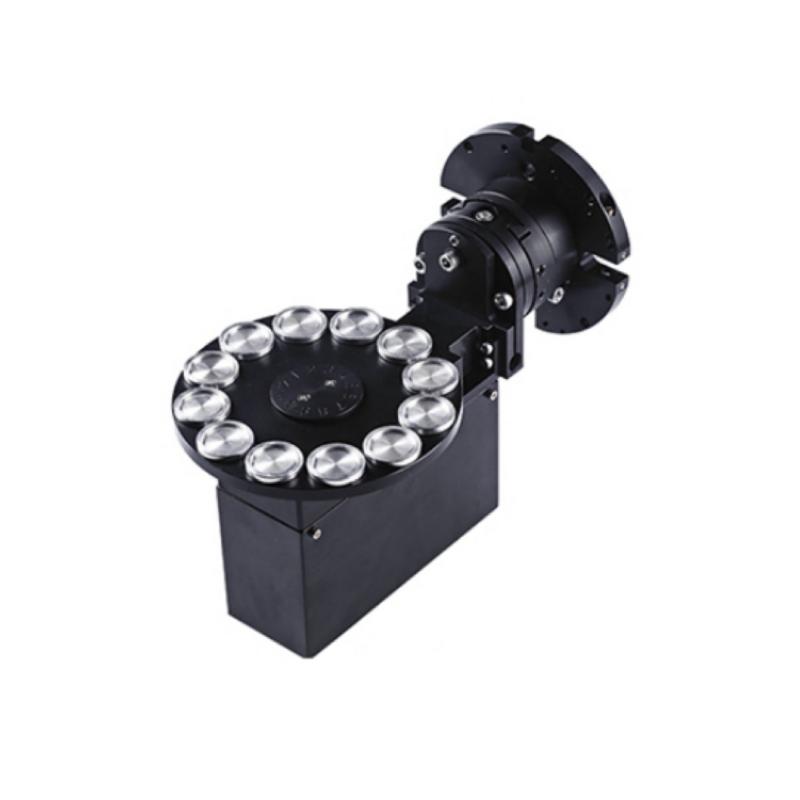
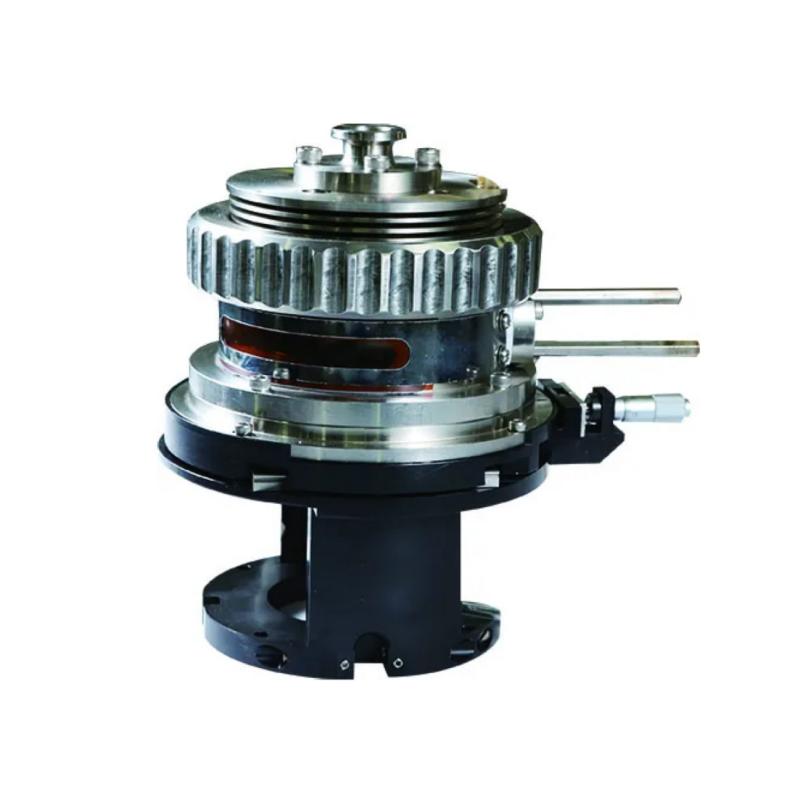
 Diffractometer1. The accuracy of Diffractometer is high. 2. The application range of Diffractometer is wide. 3. Diffractometer is easy to operate, convenient and efficient.More
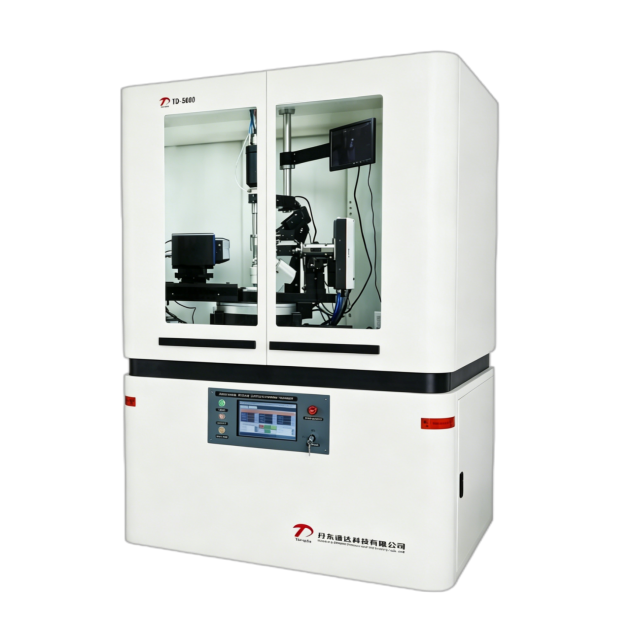
- Single Crystal XRD1.The single crystal machine adopts PLC control technology. 2.Modular design, accessories plug and play. 3.Electronic lead door interlocking equipment with double protection. 4.Single crystal X-ray tube: a variety of targets can be selected, such as Cu, Mo,etc. 5. Single crystal adopts four-circle concentric technology to ensure that the center of no goniometer remains unchanged.More
- Series X-ray Crystal Analyzer1. X-ray instrument is easy to operate and fast to detect. 2. X-ray instrument is accurate and reliable, with excellent performance. 3. X-ray instrument has various functional accessories to meet the needs of different testing purposes.More
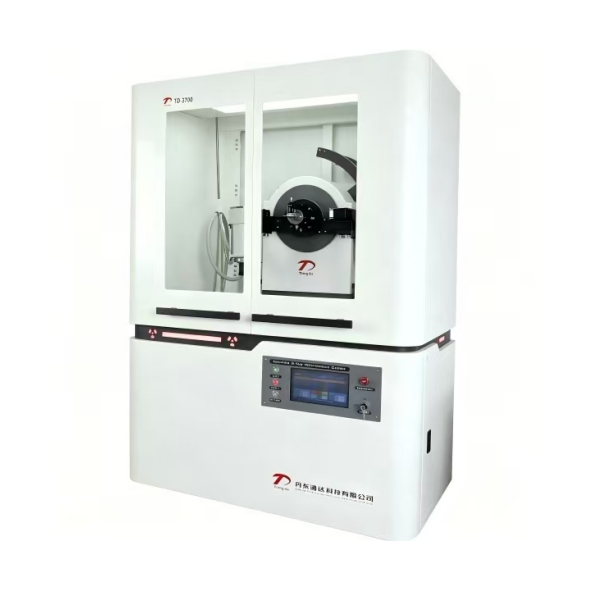
- Powder Diffractometer1. Detector type: Array detector or SDD detector; 2. PLC automatic control calculus, Integration mode conversion, PLC automatically performs PHA, dead time correction 3.Sample measurement type: powder sample, liquid samples, melt-state samples, viscous samples, loose powders, bulk solid samples 4.Available with a variety of diffractometer accessories 5.Maximum output powder: 3kWMore
Contact us
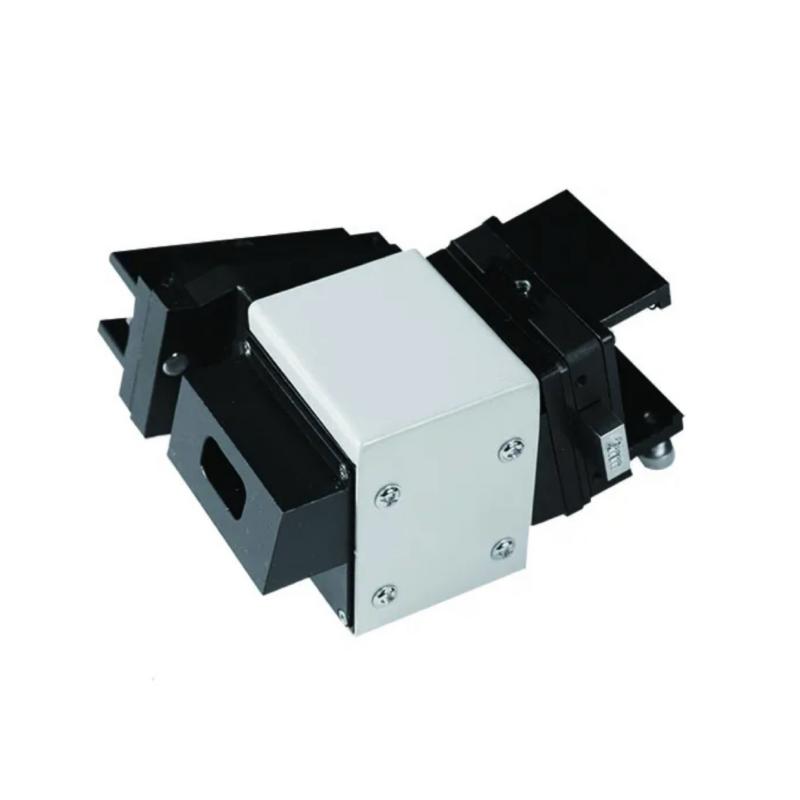
Graphite curved crystal monochromator
- Tongda
- Liaoning, China
- 1—2months
- 100 units per year
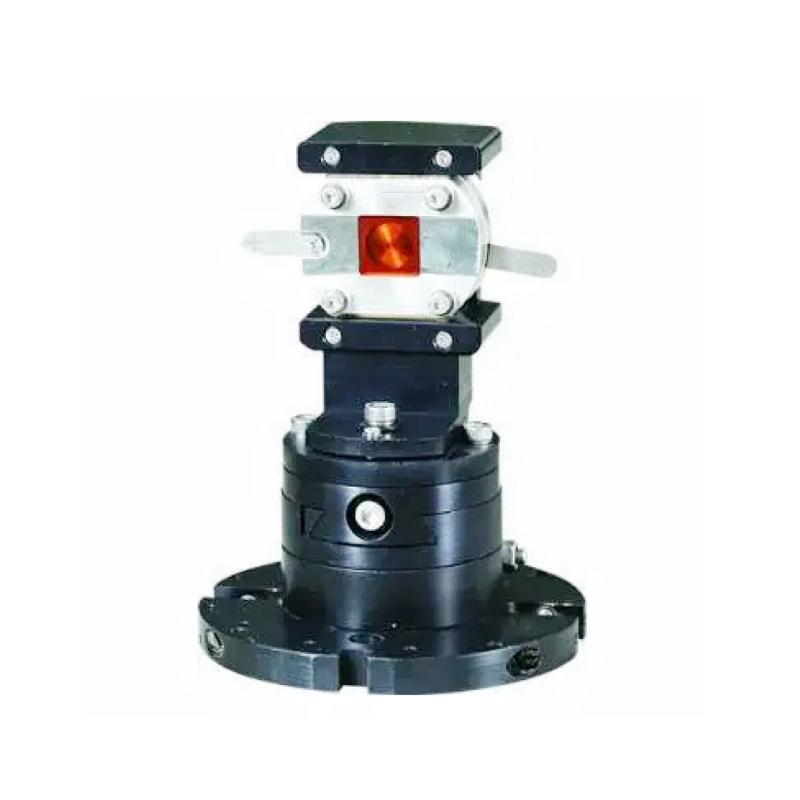
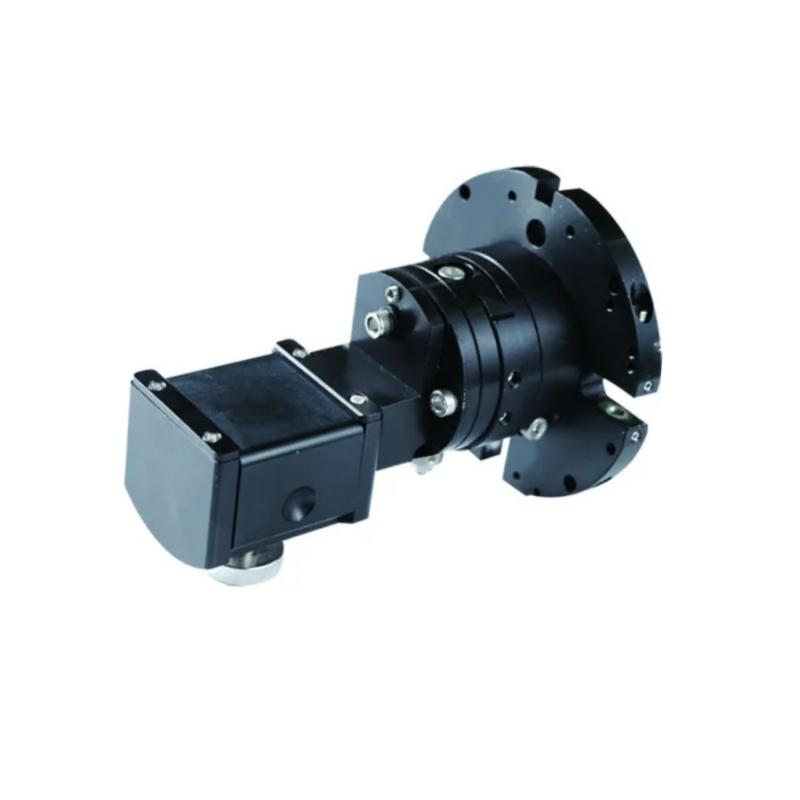
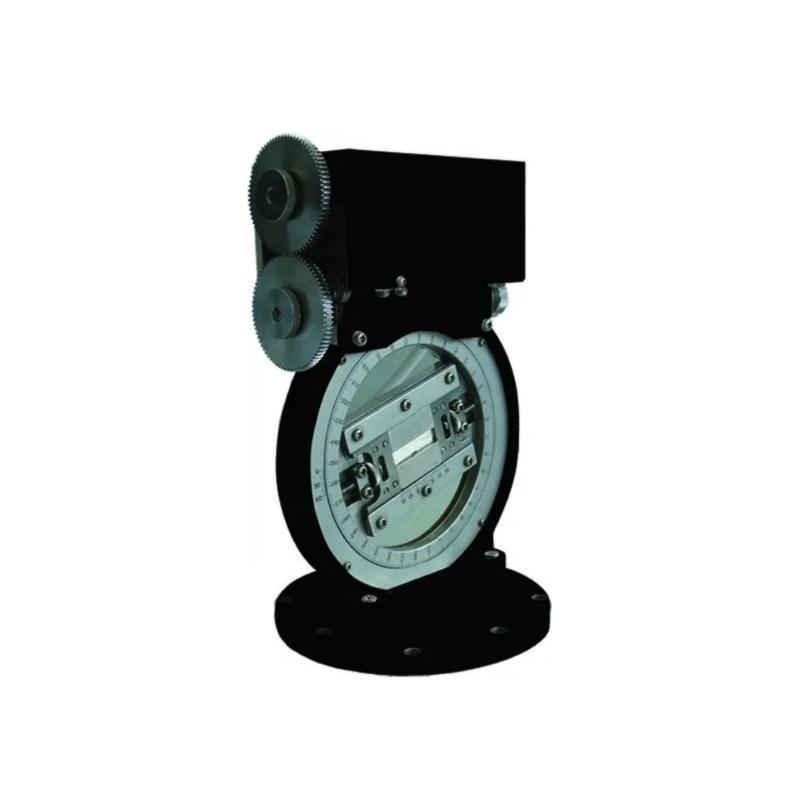
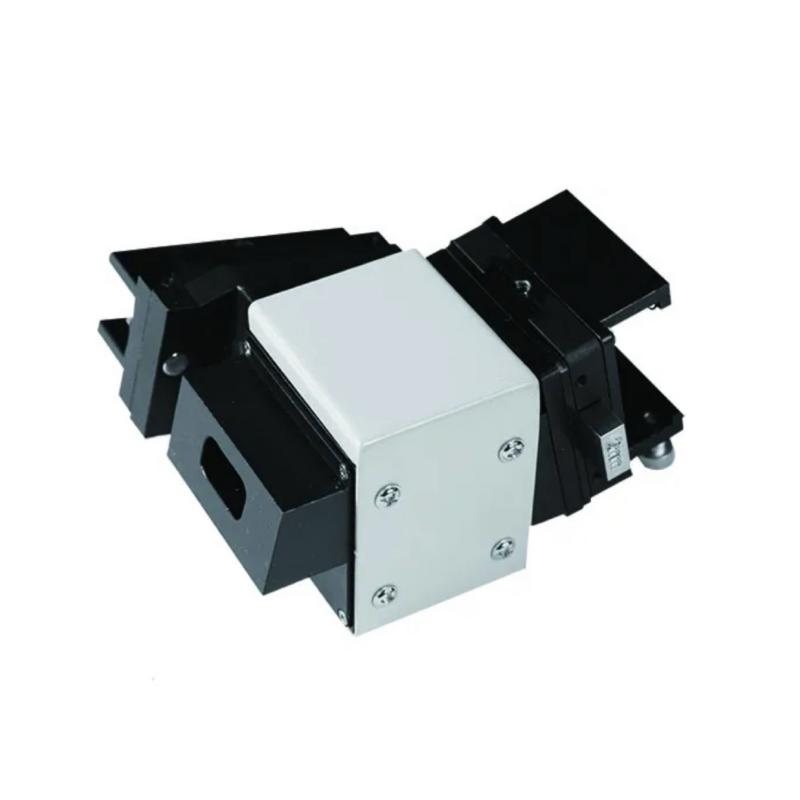
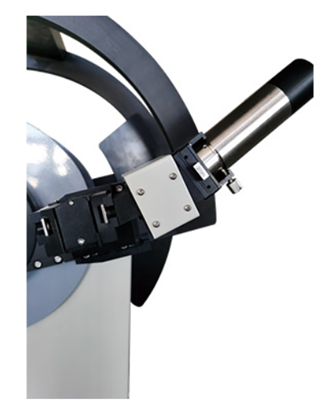
The graphite curved crystal monochromator is a critical component in X-ray diffraction analysis systems. It is typically installed in front of the detector to monochromatize the X-ray beam passing through the receiving slit, allowing only characteristic X-rays (such as the Kα line) to pass through. This design effectively eliminates interference from continuous X-rays, Kβ characteristic radiation, and fluorescent X-rays generated by the sample, thereby significantly enhancing analytical accuracy and reliability.
Core Technical Advantages
High Signal-to-Noise Ratio and Enhanced Resolution
The use of a graphite curved crystal monochromator significantly improves the peak-to-background ratio (the ratio of peak signal to background noise) and reduces the background of diffraction patterns. This feature is particularly beneficial for detecting weak diffraction peaks or faint signals hidden within strong backgrounds, improving the resolution of weak peaks and supporting fine structural analysis.
Reflection Efficiency and Diffraction Angle Optimization
The reflection efficiency (η) of the graphite curved crystal monochromator is typically no less than 35%. High reflection efficiency ensures minimal intensity loss of X-ray signals while appropriately reducing the measurement angle of the diffractometer, thereby enhancing the overall performance and usability of the equipment.
Key Performance Parameters
Crystal Type Selection: Depending on analytical requirements, either graphite curved crystals or flat crystals can be selected. The curved crystal structure helps focus X-rays, improving signal intensity, while flat crystals are more suitable for conventional monochromatization scenarios.
Mosaic Control: The mosaic degree of the crystal is typically required to be ≤0.55°. The mosaic degree reflects the directional consistency of the crystal lattice within the crystal. A lower mosaic degree indicates higher crystal integrity and monochromatization performance, contributing to sharper diffraction peaks.
Adjustment Flexibility: The crystal surface supports tilting adjustment of ±2°. This design allows fine-tuning of the monochromator to adapt to different optical path configurations and analytical conditions, ensuring X-rays incident at the optimal angle and maintaining high monochromatization efficiency.
Application Scenarios and Compatibility
The graphite curved crystal monochromator performs exceptionally well in various analytical scenarios:
Fluorescence Suppression: When used with copper target X-ray tubes, it effectively eliminates fluorescent radiation from samples containing elements such as manganese (Mn), iron (Fe), cobalt (Co), and nickel (Ni), making it suitable for diffraction analysis of samples with complex compositions.
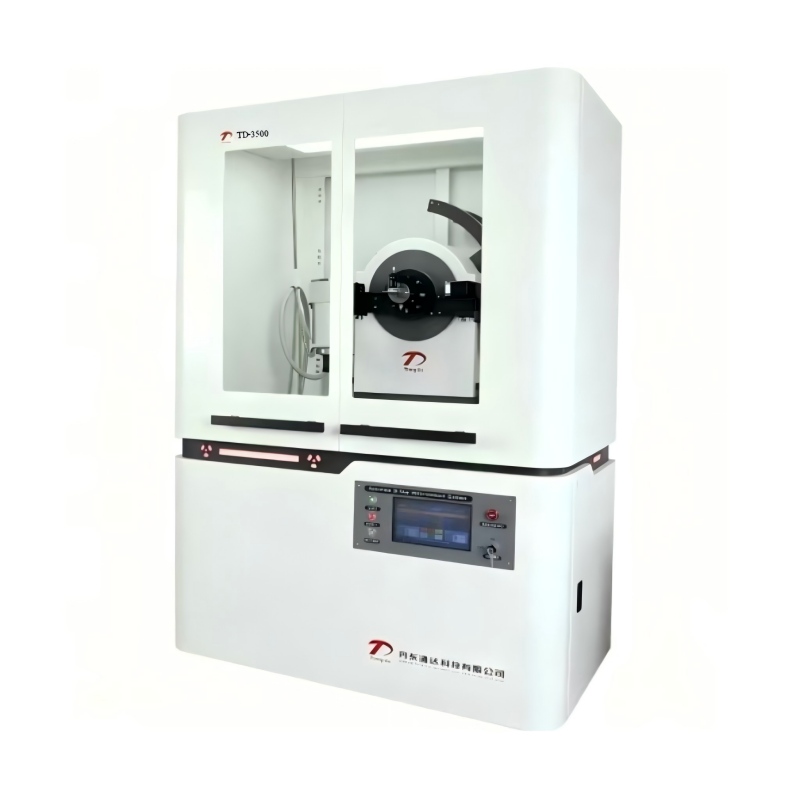
Materials and Environmental Protection Fields: Widely used in phase analysis, crystallite size calculation, and crystal structure analysis in fields such as environmental monitoring and electronic materials. For example, in Dandong Tongda's TD-3500 X-ray diffractometer for phase analysis, the monochromator technology plays a key role in improving the accuracy of crystallinity calculations.
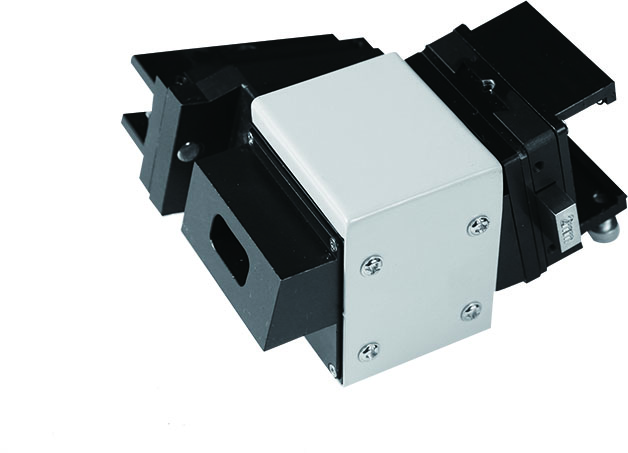
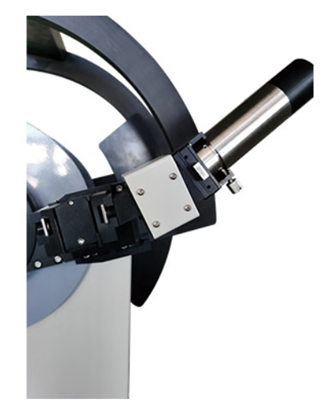
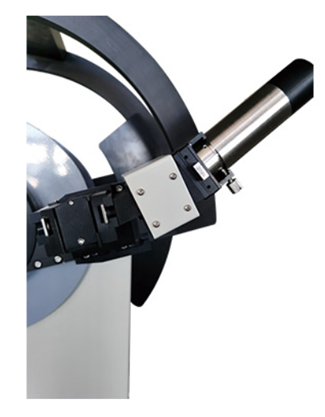
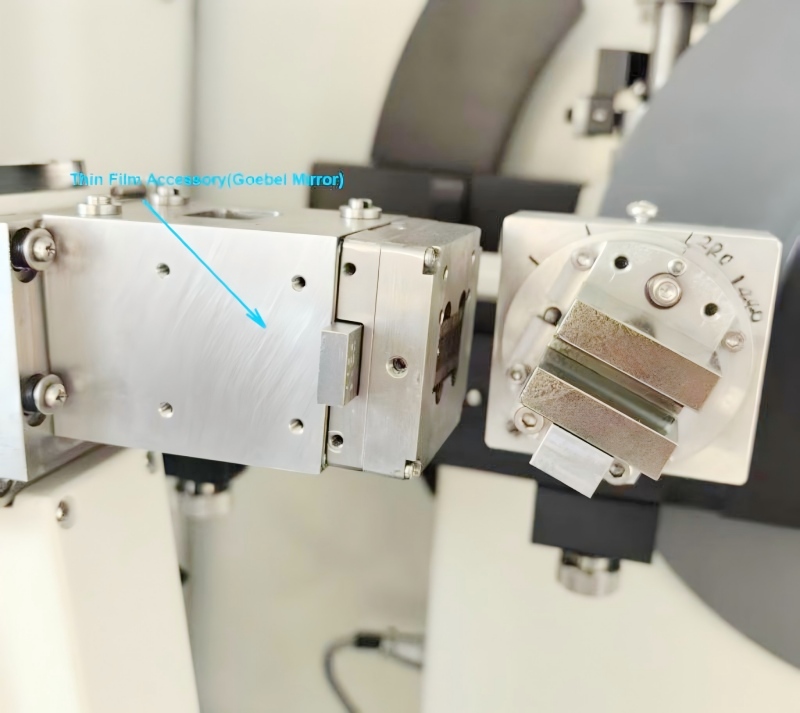
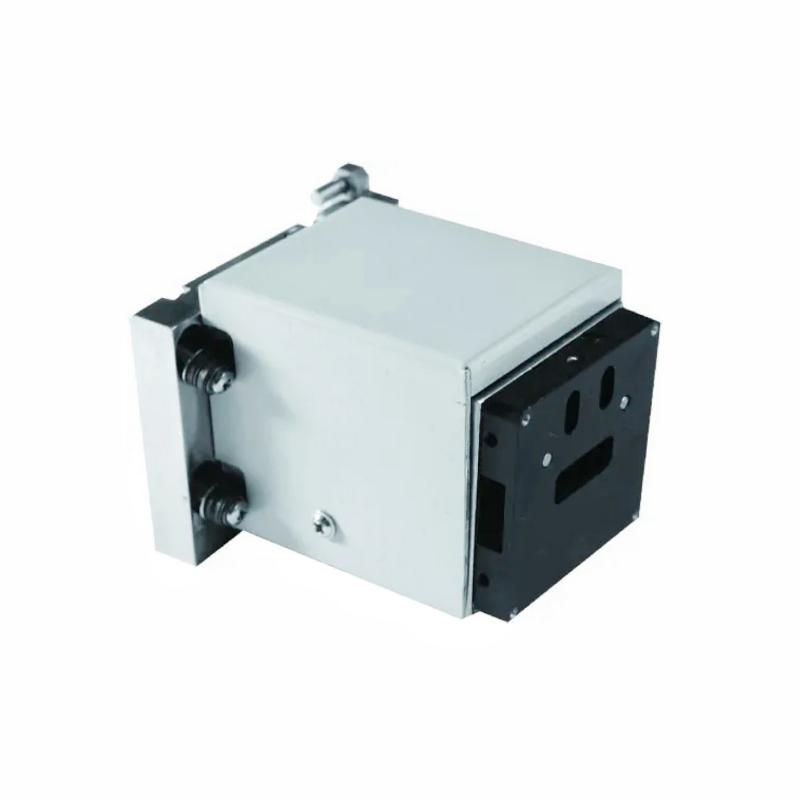
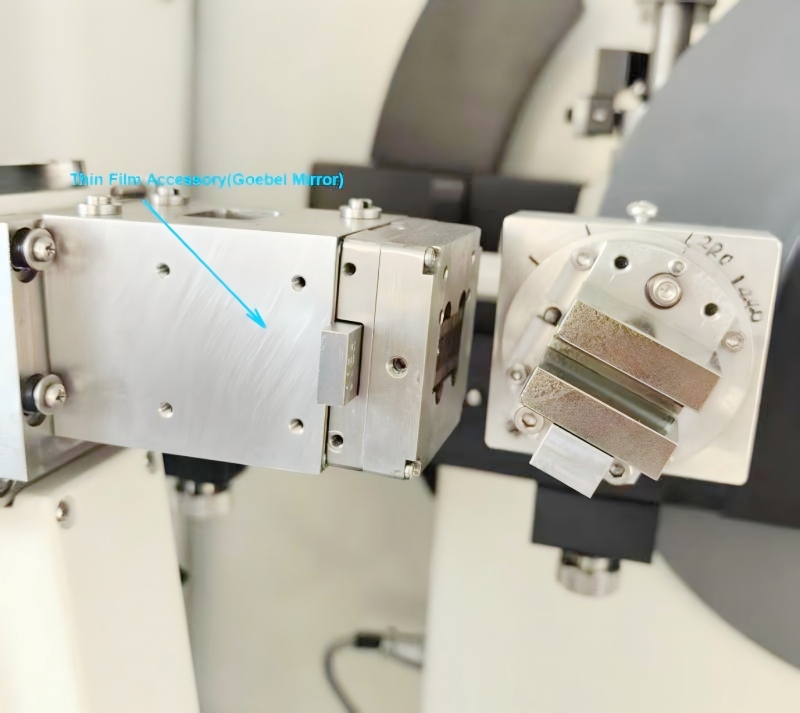
Graphite curved crystal monochromator(diffractometer accessories)