background

News

Designed for Life Sciences: The WBK-01 X-Ray Irradiation Apparatus by Dandong Tongda Technology

​Dandong Tongda Technology Co., Ltd.'s WBK-01 X-Ray Irradiation Apparatus is a precision instrument dedicated to the fields of life sciences research and pest control technology. By generating high-energy X-rays, it provides a safe, efficient, and cost-effective irradiation solution for applications such as cell and small animal irradiation, as well as the Sterile Insect Technique. The core function of the WBK-01 X-Ray Irradiation Apparatus is the utilization of high-energy X-rays to irradiate cells or small animals, meeting the demands of both fundamental and applied research. Its introduction allows researchers to perform fast and convenient irradiation procedures directly within their laboratories, eliminating the need to transport samples to central irradiation facilities. Primary Application Scenarios: Life Sciences Research: Used for irradiating cells and various biological samples. Its operation is simple and safe, enabling use even by personnel without specialized X-ray training. Sterile Insect Technique (SIT) and Pest Control: This instrument plays a key role in the Sterile Insect Technique. By irradiating pest larvae with X-rays, sterile male insects are selected and released to mate with wild females, thereby controlling or eradicating pest populations. This technology has been successfully applied in countries and regions including the United States, Mexico, and Central America to combat pests like the Mediterranean fruit fly and the African tsetse fly. Technical Advantages & Performance Features: The design of the WBK-01 X-Ray Irradiation Apparatus fully addresses the modern laboratory's needs for safety, convenience, and cost-effectiveness. Safety, Convenience & Cost-Effectiveness: Compared to traditional radioisotope irradiators, the WBK-01 is more compact, safer, and simpler to operate. It requires no expensive licensing applications, special safety protections, or complex maintenance of radioactive sources, significantly reducing the total cost of ownership. Reliability through Professional Design: The instrument is capable of generating high-energy X-rays to ensure effective irradiation, while its design emphasizes safety and reliability, guaranteeing user protection. In summary, the WBK-01 X-Ray Irradiation Apparatus from Dandong Tongda Technology has become a powerful tool in life sciences and pest control, thanks to its precise irradiation capabilities, significant safety features, and cost advantages. It is backed by Tongda Technology's profound technical expertise, continuous R&D innovation, and the support of Dandong's well-established industrial cluster known as the "China Radiative Instrumentation Base." This instrument exemplifies Tongda Technology's capability and commitment to achieving import substitution and technological breakthroughs in the field of high-end scientific instrumentation.

2025/10/27
READ MORE
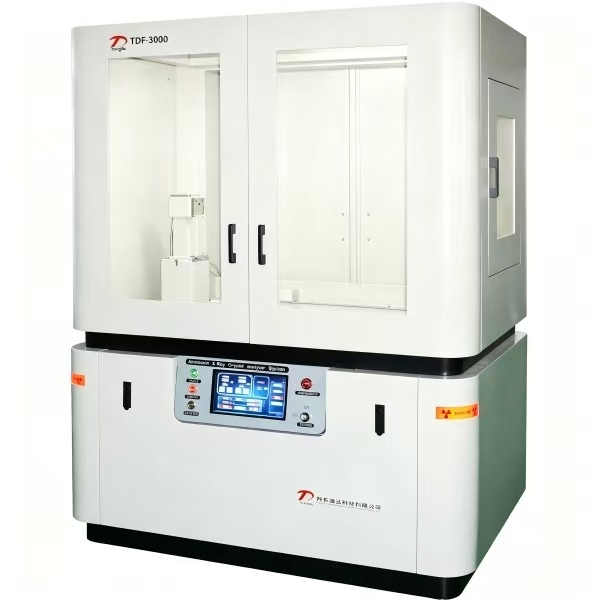
TDF Series X-ray Crystal Analyzer: Powering Global Industrial and Scientific Breakthroughs

Amidst ongoing breakthroughs and technological innovations in global materials science, China's scientific instrument manufacturing industry is steadily rising to prominence. The TDF Series X-ray Crystal Analyzer, developed by Dandong Tongda Technology Co., Ltd., represents a leading example of domestically produced high-end analytical instrumentation. It is gaining traction in global scientific research and industrial sectors precisely due to its exceptional performance and reliable precision. The TDF Series X-ray Crystal Analyzer is a major analytical instrument designed for investigating the internal microstructure of substances. Its key applications encompass crystal orientation, defect inspection, lattice parameter determination, and residual stress measurement. Whether analyzing the structure of plates and rods, or deciphering the structure of unknown materials and single crystal dislocations, this equipment delivers accurate and reliable data support. In modern fields like materials science, semiconductor manufacturing, new energy development, and pharmaceuticals, a deep understanding of material microstructure has become the cornerstone of technological progress. The TDF Series is engineered for this purpose – empowering scientists and engineers worldwide to unlock the secrets of material properties. Vertical Tube Housing & Four-Port Design The TDF Series X-ray Crystal Analyzer incorporates a unique vertical tube housing design with four usable ports simultaneously. This innovative design significantly enhances operational efficiency, allowing users to switch rapidly between multiple experimental channels and save valuable research time. Precision Control with PLC Technology Equipped with an imported PLC control system, the TDF Series X-ray Crystal Analyzer demonstrates outstanding performance in control precision and anti-interference capabilities. This system not only enables precise control of high-voltage switching and lifting operations but also features an automatic X-ray tube training function, effectively extending the service life of both the X-ray tube and the entire instrument. For experimental scenarios requiring long-term, continuous operation, this reliability substantially reduces the risk of equipment failure and potential data loss. Powerful and Stable High-Voltage Generation System The high-voltage generator of the TDF Series performs exceptionally well, offering a tube voltage adjustable from 10 to 60 kV and a tube current range from 2 to 80 mA, with a rated output power of up to 5 kW. The stability of tube voltage and current reaches 0.3‰, ensuring highly reproducible experimental data. The system is also equipped with multiple protection functions (e.g., no voltage, overvoltage, no mA, over-power, no water, X-ray tube overtemperature), providing comprehensive safety assurance. Versatile X-Ray Tube Configurations To accommodate diverse analytical needs, the TDF Series offers a choice of various target materials, including Cu, Co, Fe, Cr, Mo, and W. With a rated power of 2.4 kW and focal spot options of point focus (1×1) and line focus (1×10), users can select the most suitable configuration based on sample characteristics and analytical objectives. Comprehensive Safety Protection Design Safety performance is another standout feature of the TDF Series X-ray Crystal Analyzer. Utilizing high-density, high-transparency lead glass for the X-ray protective shielding, the external radiation leakage is maintained at ≤ 0.1 μSv/h – a level well below international safety standards – ensuring reliable protection for operators. Configurations for Diverse Application Scenarios The TDF Series X-ray Crystal Analyzer supports various X-ray cameras, including Laue cameras (large/small powder), flat panel cameras, 3D sample stages, and Multiwire cameras (US-made). This flexible configuration scheme enables the instrument to adapt to a wide range of requirements, from fundamental research to high-end materials analysis. For applications demanding high-precision positioning, the TDF Series X-ray Crystal Analyzer offers a maximum positioning speed of up to 1500°/min, ensuring fast and accurate data acquisition. Whether for analyzing unknown materials in scientific research or for quality monitoring in industrial production, the TDF Series provides a dependable solution. As cutting-edge fields like new materials, new energy, and semiconductors continue to develop rapidly, the demand for material microstructure analysis is growing, and the required precision is constantly increasing. The TDF Series X-ray Crystal Analyzer will continue to evolve and upgrade to meet the latest needs of the global scientific and industrial communities. Dandong Tongda Technology Co., Ltd. remains committed to its philosophy of technological innovation and quality first. We will continue to provide global users with superior products and services, working hand-in-hand with scientists and engineers worldwide to jointly advance materials science and enhance industrial quality standards. We invite global partners and users to inquire and discuss collaboration opportunities. Discover more about the technical details and application cases of the TDF Series X-ray Crystal Analyzer. Let's join hands to explore the mysteries of the microscopic world of materials and jointly drive technological innovation and industrial progress!

2025/10/24
READ MORE
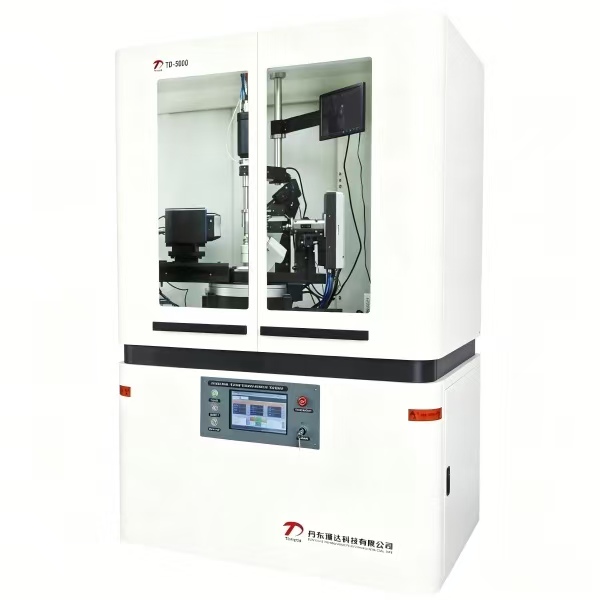
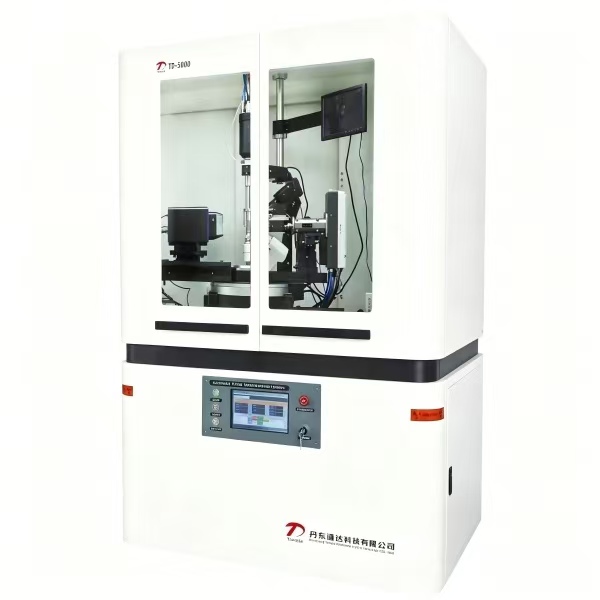
Unveil Molecular Mysteries with Unmatched Clarity: TD-5000 X-ray Single-Crystal Diffractometer

The TD-5000 X-ray Single-Crystal Diffractometer is the outcome of a Major Scientific Instrument Development Project funded by China's Ministry of Science and Technology, with Dandong Tongda Science and Technology Co., Ltd. as the lead unit. This instrument represents a significant breakthrough for China in the high-end scientific instrument sector, filling a longstanding domestic gap in the development and manufacturing of single-crystal diffractometers. Its industry recognition is underscored by the prestigious "3i Award - 2022 Outstanding New Instrument of the Year," a highly authoritative accolade in the field.The TD-5000 X-ray Single-Crystal Diffractometer is capable of determining the three-dimensional spatial structure and electron density distribution of crystalline substances, including inorganic compounds, organic compounds, and metal complexes. It can analyze key crystal parameters such as bond lengths, bond angles, configuration, conformation, unit cell parameters, space group, and intermolecular interactions. The instrument is designed to determine the precise three-dimensional spatial structure of new compounds (in crystalline form)—including bond lengths, angles, configuration, conformation, and even bonding electron density—as well as the actual arrangement of molecules within the crystal lattice. It provides comprehensive structural information such as unit cell parameters, space group, molecular crystal structure, hydrogen bonding and weak intermolecular interactions, and molecular configuration and conformation.It is widely used in analytical research across various fields including chemical crystallography, molecular biology, pharmaceutical sciences, mineralogy, and materials science.The system is user-friendly, featuring one-click collection and a modular design. It employs high-precision goniometry with four-circle concentric technology to ensure goniometer center stability. Additionally, it is equipped with a high-performance detector and offers the option of a PILATUS hybrid pixel array detector, enabling high data quality and very fast scanning speeds. Beyond performance, the instrument is safe and reliable, featuring an electronic lead glass door interlock system that provides dual protection. The TD-5000 X-ray Single-Crystal Diffractometer is a precision analytical instrument designed for scientific research and high-end industrial applications. It excels in key performance metrics through sophisticated design and represents a significant breakthrough in its category. For users with relevant procurement needs who demand high-quality, high-standard instrumentation, it is a option worthy of serious consideration. Dandong Tongda Technology Co., Ltd. is committed to fully meeting your expectations with reliable performance and professional support. We look forward to your inquiries and potential collaboration.

2025/10/17
READ MORE
Medium-low temperature accessory

Since its establishment in 2010, Dandong Tongda Science & Technology Co., Ltd. has been focusing on the research, development, and production of X-ray analytical instruments and non-destructive testing equipment.The company has accumulated extensive experience in X-ray technology. In 2013, it became the undertaking unit of the "National Major Scientific Instrument and Equipment Development Project" for the X-ray single crystal diffractometer, supported by the Ministry of Science and Technology of China. The Cryostream low-temperature liquid nitrogen cooling system, launched by Dandong Tongda Science & Technology, is a representative product of its Medium-low temperature accessory.This system is specifically designed for scientific experiments requiring precise low-temperature environments and integrates multiple advanced technologies. Precise temperature control is the core advantage of the system. The Medium-low temperature accessory can maintain a temperature stability of up to 0.3 K within the standard temperature range of 100–300 K.Such high temperature stability provides a reliable environment for scientific experiments, ensuring the accuracy and reproducibility of experimental data. Efficient cooling performance is another highlight. The system requires only 35 minutes to cool from room temperature to 100 K.The rapid cooling speed significantly enhances the work efficiency of researchers, making it particularly suitable for experimental scenarios requiring frequent temperature changes. ​ The intelligent control system makes operation more straightforward. Utilizing a fuzzy PID temperature control algorithm, the system achieves accurate and stable real-time control of low-temperature nitrogen gas temperature.This intelligent control approach greatly reduces the operational complexity, allowing researchers to focus more on the experiments themselves rather than equipment adjustments.

2025/10/14
READ MORE
Diffractometer X Ray Tube

The Diffractometer X-Ray Tube​ manufactured by Dandong Tongda Technology Co., Ltd. serves as a core component in numerous X-ray analytical instruments within China. Dandong Tongda's Diffractometer X-Ray Tube primarily features the following technical characteristics: Diverse Target Material Options: This X-ray tube offers a variety of target material choices, including Cu, Co, Fe, Cr, Mo, Ti, W, and more. Users can select the most suitable target material based on the elemental composition of the material being tested and the specific analysis requirements, to achieve optimal analytical results. Flexible Focal Spot Configurations: The product provides different focal spot sizes, such as 0.2×12mm, 0.4×14mm (fine focus), and 1×10mm. Smaller focal spot sizes help improve spatial resolution, while the different shape designs meet the optical system requirements of various analytical instruments like XRD and XRF. Wide Power Range: The maximum output power of the X-ray tube covers multiple levels, including 2.0kW, 2.4kW, and 2.7kW, enabling it to adapt to various application scenarios from routine analysis to those requiring high power. Key Technologies and Performance Advanced Generator Technology: The high-frequency, high-voltage generator designed for use with the X-ray tube can achieve a maximum output power of 5kW. It utilizes microcomputer automatic control, with tube voltage adjustment precision up to 1kV per step and tube current adjustment precision up to 1mA per step, ensuring precise and stable output signals. Exceptional Stability Performance: The output stability of the generator is better than 0.01%. The comprehensive stability of some high-end models can even reach ≤0.3%. This high level of stability is crucial for precision analytical work that requires long-term data acquisition. Comprehensive Safety Protection: The equipment is equipped with extensive alarm and protection devices, including multiple protection functions such as over-voltage, over-current, over-power, water shortage, and X-ray tube over-temperature, ensuring safe and reliable operation. Main Application Areas Dandong Tongda's X-ray tubes are primarily used in the following types of analytical instruments: X-Ray Diffractometers (XRD): Used for phase analysis of materials, crystal structure determination, etc. X-Ray Fluorescence Spectrometers (XRF): Used for qualitative and quantitative elemental analysis. Crystal Analyzers and Orienters: Can be used for single crystal orientation, defect inspection, etc.

2025/10/13
READ MORE
Graphite curved crystal monochromator

The core function of the graphite curved crystal monochromator is to precisely filter out the desired Kα characteristic radiation from complex X-ray signals. This process is based on the Bragg diffraction principle, utilizing the precise arrangement and curved shape of the graphite crystal lattice to achieve selective transmission of X-rays. In practical applications, this component effectively eliminates interference from continuous X-rays, Kβ radiation, and fluorescent radiation generated by the sample itself. This filtering effect is particularly significant when analyzing samples containing elements such as manganese, iron, cobalt, and nickel using copper-target X-ray tubes. Dandong Tongda offers both graphite curved crystals and flat crystals. The use of graphite curved crystal monochromators can enhance the peak-to-background ratio, reduce background noise, improve the resolution of weak peaks, achieve a reflection efficiency of n ≥ 35%, and lower the diffraction angle of the diffractometer. The mosaic spread is ≤ 0.55°, and the crystal surface can be tilted by ±2°. These parameters ensure the stable performance of the instrument over long-term use. In X-ray analysis, the quality of data directly impacts the reliability of research conclusions. The graphite curved crystal monochromator significantly improves the quality of the collected signals by enhancing the peak-to-background ratio and reducing background noise. For diffractometer applications, this component also moderately lowers the diffraction angle, making weak peaks more distinct and improving the instrument's ability to resolve trace components. While this improvement may seem minor, it can play a critical role in key experiments. Application Value The graphite curved crystal monochromator demonstrates broad application value in environmental protection and electronics.It is suitable not only for fundamental research but also meets quality control and analytical needs in industrial production.By working in synergy with X-ray diffraction systems, this component provides reliable data support for materials science, chemical research, and industrial testing. ​ When used in conjunction with copper-target X-ray tubes, it effectively addresses analytical challenges for a variety of sample types.

2025/10/10
READ MORE
AI fully automated X-ray diffractometer

The AI fully automated X-ray diffractometer deeply integrates the high-precision manipulation of a robotic arm based on a portable diffractometer. Compared to traditional diffractometers, it significantly reduces manual intervention, making it suitable for R&D scenarios requiring high-throughput and high-repeatability testing. It can be remotely controlled via mobile phone or APP, featuring automatic door opening and closing technology. With autonomous sampling and analysis capabilities, it offers precision and convenience.

2025/09/26
READ MORE
Dandong Tongda Technology Rotating Sample Stage: A Precision Rotation Partner for X-Ray Diffraction Analysis

In the fields of materials science and industrial testing, precise sample analysis relies on reliable instruments. The rotating sample stage produced by Dandong Tongda Technology Co., Ltd. is precisely such a critical accessory dedicated to enhancing the quality of X-ray diffraction (XRD) analysis. In X-ray diffraction analysis, the characteristics of the sample itself often pose challenges. For example, when the grains are excessively coarse, the material exhibits significant texture (or "preferred orientation," meaning the grains are not randomly arranged), or the sample has specific crystal habits (crystal growth patterns), obtaining diffraction data that is statistically representative and truly reflects the overall material properties becomes difficult. When measuring such samples with traditional static sample stages, the diffraction intensity may be distorted due to the aforementioned factors, affecting the accuracy of phase identification, texture analysis, and other evaluations. The core design philosophy of Tongda Technology's rotating sample stage is to address these challenges by enabling smooth rotation of the sample within its own plane. Core Function: Eliminating Orientation Errors and Enhancing Data Reliability The working principle of this rotating sample stage is intuitive and effective. By driving the sample to rotate continuously or in a stepwise manner, it ensures that the X-ray beam covers more grains with different orientations on the sample during irradiation. The main advantages of this approach are: Effective Reduction of Measurement Errors: Through the rotation averaging effect, it significantly mitigates measurement deviations caused by coarse grains or preferred orientation, making the diffraction data more representative of the material's overall properties. Ensuring Result Reproducibility: Whether the sample itself has texture or not, it guarantees good reproducibility of diffraction intensity across multiple measurements or between different laboratories, enhancing the reliability and comparability of data. Simplified Sample Preparation Requirements: It reduces the stringent demands for perfect sample preparation to a certain extent, improving analysis efficiency. Technical Specifications: Precision Control and Flexible Adaptability The rotating sample stage from Dandong Tongda Technology offers the following key technical parameters to meet the rigorous demands of scientific research and industrial testing: ParameterDescription Rotation Methodβ-axis (sample rotates within its own plane) Rotation Speed Range1 ~ 60 RPM (revolutions per minute) Adjustable based on experimental requirements Stepping PrecisionMinimum step width: 0.1º Supports high-precision positioning scanning Operation ModesConstant-speed rotation (for sample scanning), stepping, continuous, and other modes Adapts to various testing workflows and data acquisition needs Typical ApplicationsQuality control and R&D in industries such as environmental protection and electronics CompatibilityPrimarily used as an accessory for X-ray diffraction spectrometers (XRD) Application Scenarios: Serving the Environmental Protection and Electronics Industries This rotating sample stage is not merely a "showpiece" in the laboratory; it directly serves industries with high requirements for material analysis, such as environmental protection and electronics. In areas such as quality control, new product development, and failure analysis in these fields, it assists engineers and researchers in conducting more accurate phase analysis on samples of various forms, including powders, bulk materials, and thin films, ensuring the authenticity and reliability of data.

2025/09/04
READ MORE
The Beauty of Technology in Dandong Tongda NDT Portable X-ray Welding Testing Machine

Non-Destructive Testing (NDT) is an indispensable quality assurance technology in modern industry. It enables the detection of internal defects, structures, and property conditions of materials by utilizing characteristics such as acoustic, optical, magnetic, and electrical properties—all without damaging or affecting the performance of the tested object. Compared to destructive testing, NDT has the following characteristics: First, it is non-destructive, as it does not impair the performance of the test object. Second, it is comprehensive. Since the testing is non-destructive, it allows for 100% full inspection of the test object when necessary, which is impossible with destructive testing. Third, it is full-process applicable. Destructive testing is generally only suitable for raw materials, such as tensile, compression, and bending tests commonly used in mechanical engineering. Destructive testing is conducted only on raw materials for manufacturing. For finished products and in-service equipment, destructive testing cannot be performed unless they are no longer intended for use. In contrast, NDT does not damage the test object’s performance, making it suitable for full-process testing, from raw materials and intermediate manufacturing stages to final products, as well as for in-service equipment. Among the many manufacturers of non-destructive testing equipment, Dandong Tongda Technology Co., Ltd. has developed a variety of NDT instruments that approach or achieve internationally advanced levels, thanks to its solid technical expertise and innovative capabilities. Technical Features: Portability, Safety, and Intelligence Tongda Technology's NDT Portable X-ray Welding Testing Machine exhibit several outstanding features. Their X-ray generators adopt an anode grounding and fan-forced cooling design, making them compact, lightweight, portable, and easy to operate. In terms of safety performance, the equipment is equipped with a delayed exposure function, effectively ensuring operator safety. The devices operate on a 1:1 work-rest cycle, with a rational duty cycle design that ensures detection efficiency while extending the equipment’s service life. The company’s products incorporate Programmable Logic Controller (PLC) technology and a modular design concept, enhancing automation, improving anti-interference capabilities, and ensuring an extremely low failure rate. Application Areas: Wide Adoption Across Multiple Industries Tongda Technology's NDT Portable X-ray Welding Testing Machine are suitable for various industrial sectors, including national defense, shipbuilding, petroleum, chemicals, machinery, aerospace, and construction. These instruments are used to inspect the welding quality of materials and components such as ship hulls, pipelines, high-pressure vessels, boilers, aircraft, vehicles, and bridges, as well as the internal quality of various lightweight metals, rubber, ceramics, and other materials.

2025/09/01
READ MORE
Dandong Tongda XAFS Spectrometer: A Material Structure Analysis Tool for the Laboratory

Dandong Tongda XAFS Spectrometer: A Material Structure Analysis Tool for the Laboratory Precise analysis of atomic material structure without dependence on synchrotron radiation sources. X-ray Absorption Fine Structure (XAFS) spectroscopy serves as an important technique for investigating the local atomic and electronic structures of materials, with broad applications in catalysis, energy research, and materials science. Conventional XAFS methodology primarily relies on synchrotron radiation sources, which presents challenges including limited beam availability, complex application procedures, and the necessity to transport samples to large-scale scientific facilities for analysis. The X-ray Absorption Fine Structure developed by Dandong Tongda Technology Co., Ltd. aims to integrate this sophisticated analytical capability into standard laboratory environments. Core Advantages and Practical Value This instrument's design addresses several critical challenges researchers encounter: Laboratory-Based Alternative to Synchrotron Radiation: Eliminates the traditional dependency on synchrotron radiation sources, enabling researchers to conduct routine XAFS testing efficiently within their own laboratory settings, thereby significantly enhancing research productivity. In-Situ Testing Capabilities: Supports integration of various in-situ sample chambers (e.g., electrochemical, temperature-variable), enabling real-time monitoring of dynamic changes in material local atomic structure under simulated operational conditions (such as catalytic reactions or battery charge/discharge processes), providing valuable insights into reaction mechanisms. Automated Operation for Enhanced Efficiency: An 18-position sample turret enables automatic sample changing, facilitating continuous automated measurement of multiple samples and unmanned operation, thereby streamlining batch sample screening and extended in-situ experiments. Broad Application Scope The TD-XAFS spectrometer finds applications across numerous fields requiring detailed investigation of material local structures: New Energy Materials: Analysis of valence state changes and structural stability in lithium-ion battery electrode materials during charge/discharge processes; investigation of coordination environments at catalytic active sites in fuel cells. Catalysis Science: Particularly suitable for studying precise coordination structures of nanocatalysts and single-atom catalysts, active site characteristics, and their interactions with support materials, even at low metal loadings (<1%). Materials Science: Investigation of disordered structures, amorphous materials, surface/interface effects, and dynamic phase transition processes. Environmental Science: Analysis of valence states and coordination structures of heavy metal elements in environmental samples (e.g., soil, water), crucial for assessing toxicity and mobility. Biological Macromolecules: Study of electronic structures and geometric configurations of metal active centers in metalloproteins and enzymes. Summary Dandong Tongda's TD-XAFS spectrometer represents a high-performance domestic benchtop testing platform designed for universities, research institutions, and corporate R&D centers. It successfully incorporates synchrotron-level capabilities into conventional laboratories, substantially reducing the accessibility barrier to XAFS technology. The instrument provides researchers with convenient, efficient, and flexible tools for microscopic material structure analysis, serving as a practical solution for scientists exploring the microscopic world of matter.

2025/08/29
READ MORE
Focus on Research and Application: An Introduction to Dandong Tongda's X-Ray Irradiator

In research fields such as life sciences, radiation biology, and pest control technology, precise, safe, and controllable irradiation methods are fundamental to many critical experiments. Leveraging its expertise in X-ray technology, Dandong Tongda Technology Co., Ltd. has developed the WBK-01 X-ray Irradiator, designed to provide a modern alternative to traditional radioactive isotope sources for various laboratories. I. Core Principle and Design Purpose The equipment operates by accelerating electrons through a high-voltage electric field to strike a metal target (e.g., a gold target), thereby generating high-energy X-rays. This design of an "electrically generated radiation source" fundamentally avoids the use of radioactive isotopes like Cobalt-60 (Co-60) or Cesium-137 (Cs-137), eliminating the long-term custody, substantial decommissioning costs, and potential safety hazards associated with source materials. II. Core Product Features High Safety: No Radiation When Powered Off: X-rays are only generated when the equipment is powered on and operating. There is no residual radiation after operation, significantly reducing laboratory security and management costs. Multiple Safety Interlocks: Equipped with multiple safety protection features including door-operation interlock, emergency stop, and overdose protection, ensuring the safety of operators and the environment. Precise Control and Good Reproducibility: Utilizes a digital control system, allowing users to precisely set irradiation parameters—including voltage (kV), current (mA), and irradiation time—via a touchscreen interface. The system enables stable dose output, ensuring uniformity in experimental conditions and reproducibility of results. Easy Operation and Simple Maintenance: The user interface is simple and intuitive, easy to learn and operate, lowering the barrier to use. Compared to isotope sources which require regular replacement and decay monitoring, the main maintenance for this equipment focuses on the periodic replacement of the X-ray tube, resulting in relatively fixed and manageable long-term maintenance costs. Flexible Sample Compatibility: The irradiation chamber is designed to accommodate various samples, from cell culture dishes and multi-well plates to small animals (e.g., fruit flies, mosquitoes, or mice). The sample stage can be designed to rotate, ensuring uniformity in radiation dose distribution. III. Main Application Scenarios Biomedical Research: Used for creating immunodeficient animal models (e.g., ablating bone marrow cells in mice), inducing cell apoptosis, synchronizing cell cycles, oncology research, and pre-treatment for stem cell transplantation. Sterile Insect Technique (SIT): This is a significant application area. It can be used to irradiate pupae of agricultural pests (e.g., Mediterranean fruit fly) or mosquitoes to render them sterile, thereby supporting green, pollution-free population control programs. Material Modification Research: Can be used to study the effects of X-rays on the properties of various materials (e.g., polymers, semiconductors). IV. Typical Model Parameters (Using WBK-01 as an example) X-ray Tube Voltage: Adjustable based on requirements, typically within a range from several tens to hundreds of kilovolts (kV), to suit different penetration depths and dose rate needs. Dose Rate: Can be adjusted based on voltage, current, and distance to meet the specific requirements of different experimental protocols. Uniformity: Ensured through optical system design and a sample rotation mechanism, guaranteeing uniform dose distribution within the irradiation field for reliable experiments. Summary The core value of the Dandong Tongda X-ray Irradiator lies in its replacement of inconvenient radioactive isotope sources with a safe, controllable, electrically generated X-ray source. It does not pursue excessive features but focuses on providing a stable, reliable, compliant, and easy-to-manage irradiation tool for scientific research and industrial applications. For laboratories seeking alternatives to isotopes or planning to establish new irradiation platforms, this is a practical piece of equipment worthy of evaluation and consideration by users in basic research and applied fields.

2025/08/28
READ MORE
Exploring the Dandong Tongda X-Ray Orientation Analyzer

In the field of modern technology, many high-tech products—from smartphone screen substrates to core components of laser generators—rely on a fundamental material: synthetic single crystals. The precision of the cutting angle of these crystals directly determines the performance and yield of the final products. The X-Ray Orientation Analyzer is an indispensable instrument in the precision manufacturing of crystal devices. Utilizing the principle of X-ray diffraction, it accurately and rapidly measures the cutting angles of both natural and synthetic single crystals, including piezoelectric crystals, optical crystals, laser crystals, and semiconductor crystals. Dandong Tongda Science and Technology Co., Ltd. offers a range of reliable X-Ray Orientation Analyzers tailored to the research, processing, and manufacturing needs of the crystal materials industry. 01 Versatile Machine for Diverse Crystal Orientation Needs Dandong Tongda's X-Ray Orientation Analyzers primarily include models such as the TYX-200 and TYX-2H8. The TYX-200 model boasts a measurement accuracy of ±30″, with a digital display and a minimum reading of 10″. The TYX-2H8 model is an improved version of the TYX-200, featuring enhancements in the goniometer structure, load-bearing track, X-ray tube sleeve, support body, and an elevated sample stage. These improvements enable the TYX-2H8 to handle samples weighing 1–30 kg with diameters of 2–8 inches. It retains a digital angle display and a measurement accuracy of ±30″. 02 Advanced Technical Features for User-Friendly Operation Dandong Tongda's X-Ray Orientation Analyzers are designed with practicality and reliability in mind. Their user-friendly operation requires no specialized knowledge or advanced skills from the operator. The instrument features a digital angle display, ensuring intuitive and easy-to-read measurements while minimizing the risk of misreading. The display can be zeroed at any position, allowing direct reading of the wafer angle deviation. Some models are equipped with dual goniometers for simultaneous operation, significantly improving detection efficiency. A special integrator with peak amplification enhances measurement accuracy. The X-ray tube and high-voltage cable adopt an integrated design, improving high-voltage reliability. The detector high-voltage system uses a DC high-voltage module, and the vacuum suction sample stage further enhances measurement accuracy and speed. 03 Dedicated Sample Stage Designs for Various Testing Needs To meet the measurement requirements of samples with different shapes and sizes, Dandong Tongda offers a variety of specialized sample stages: TA Sample Stage: Designed for rod-shaped crystals, it features a load-bearing track and can test crystal rods weighing 1–30 kg with diameters of 2–6 inches (expandable to 8 inches). This stage can measure reference surfaces of rod-shaped crystals as well as surfaces of wafer-shaped crystals. TB Sample Stage: Also designed for rod-shaped crystals, it includes a load-bearing track and V-shaped support rails. It can test crystal rods weighing 1–30 kg, with diameters of 2–6 inches (expandable to 8 inches) and lengths of up to 500 mm. It measures end faces of rod-shaped crystals and surfaces of wafer-shaped crystals. TC Sample Stage: Primarily used for detecting the outer reference surfaces of single-crystal wafers such as silicon and sapphire. Its open-design suction plate avoids X-ray obstruction and positioning inaccuracies. The stage's suction pump securely holds wafers sized 2–8 inches, ensuring precise detection. ​ TD Sample Stage: Designed for multi-point measurements of wafers such as silicon and sapphire. Wafers can be manually rotated on the stage (e.g., 0°, 90°, 180°, 270°) to meet specific customer measurement needs. 04 High-Performance Model for Large Sample Challenges For large and challenging sample detection, Dandong Tongda's X-Ray Orientation Analyzers demonstrate exceptional performance. The TYX-2H8 model, for example, is particularly suitable for orienting sapphire crystal ingots and rods. This instrument supports measurements of sapphire A, C, M, and R crystal orientations, with an adjustable measurement range of 0–45° via electric automation. Its technical specifications are impressive: Copper-target X-ray tube with grounded anode and forced air cooling. Adjustable tube current: 0–4 mA; tube voltage: 30 kV. Operation via computer or touchscreen control. Synchronized movement of the X-ray tube and detector; electric-driven rotary table. Total power consumption: ≤2 kW. Most notably, its sample handling capacity includes crystal ingots weighing up to 30–180 kg, with maximum dimensions of 350 mm in diameter and 480 mm in length. These capabilities make it suitable for large sample detection in most industrial scenarios. 05 Broad Applications Supporting Multiple Industries Dandong Tongda's X-Ray Orientation Analyzers are widely used across various industries involved in the research, processing, and manufacturing of crystal materials. In the semiconductor industry, they enable precise orientation cutting of silicon wafers. In the optoelectronics field, they are used for precision processing of sapphire substrates, optical crystals, and laser crystals. In the piezoelectric materials sector, they ensure accurate cutting angle measurements for stable end-product performance. The instruments are particularly well-suited for sapphire materials, which are in high demand due to their hardness, high light transmittance, and excellent physicochemical stability. Sapphire is widely used in LED substrates, consumer electronic screens, and optical windows. Dandong Tongda's X-Ray Orientation Analyzers have become essential tools in China's crystal material research and manufacturing fields, thanks to their reliable performance, diverse configurations, and strong adaptability. Their modular design and variety of sample stage options allow users to select configurations that meet specific needs, ensuring high detection accuracy while improving work efficiency. Whether for research institutions or manufacturing quality control and process optimization, these instruments provide robust technical support, empowering users to achieve breakthroughs in precision manufacturing.

2025/08/26
READ MORE
Get the latest price? We'll respond as soon as possible(within 12 hours)
This field is required
Required and valid email address
This field is required